The allure of Big Sur Jade has beckoned the hearts of revelers throughout human history!
This beautiful sculptural piece was found during the 2023 hunting season in Big Sur. It was smoothed to reveal its gorgeous shape and casts a hint of blue. It exhibits wonderful translucency.
All of these materials were ethically and legally harvested for your enjoyment!
A few notes about value…
Big Sur Jade is formed deep under the Pacific Ocean at the subduction zone, where the two plates meet. Contemporarily, experienced divers search under the Pacific Ocean for jade specimen gems or larger stones which may be cut and fashioned into carvings and jewelry. Smaller pieces may sometimes be found in the sands of the Big Sur Coastline.
Collectors of Big Sur Jade recognize two main categories: specimens and “rough.” Specimens are, generally, the most desirable form of Big Sur Jade, as these pieces have been formed over vast amounts of time and formed by natural elements. Most gem collectors throughout the world have a name for this type of stone. In ancient Burma, for example, harvesters call alluvial gemstones, which have been smoothed by water, “Nat Thwe,” which means “spirit polished.” Along the Central California Coast, smoothed jade specimens are often called “Ocean Polished.”
Within the two main categories of jade, sub categories exist. As it is not easy to find a perfect “Ocean Polished” Big Sur Jade specimen, many collectors take rough stones and polish them. There is a value distinction between ocean polished and polished gemstones. Generally, ocean polished gemstones are considered to be more desirable, but “perfectly polished” stones may also be desirable, particularly if they are used for jewelry.
It is interesting to note that all Big Sur Jade stones form into similar shapes exhibiting the energy waves that created them within the deep crust of the earth. Sometimes, in the center of a stone, you may see bands of light from of very hard veins that sometimes exhibit a flashing phenomenon known as “chatoyancy,” which is a highly desirable value element. Sometimes, the stone crystalizes around such veins creating an “eye.”
Besides the polish or inclusions, other value elements include stone hardness, color, oxidization, shape, and size. With all of these variables, one might find it difficult to understand how stones are priced, and whether or not one is securing a “good deal,” in acquiring a particular stone.
To value jade, consider the steps in bringing it to market. First, finding Big Sur Jade requires diving for it, or spending hours and hours searching for it at the shoreline. The jade is not always present in either location, and it takes years of experience to learn when it is available to find. If you don’t live in Big Sur, searching the location requires drive time and favorable road conditions. This alone is the single greatest cost element. It can take years to build a collection ready to present to the market.
After a collection is gathered, work usually needs to be done to the stone to bring out its natural beauty. This process either requires hand sanding or mechanical polishing, which takes time, because surfaces are not flat and easy to polish uniformly. Any mechanical application can substantially alter the character of the stone. It requires some skill to produce a finished stone that might be attractive to appreciate or wear.
Once a stone is ready for jewelry production, it has already undergone substantial preparation before it is ready for finishing, presentation, and final delivery — design, setting, weaving, conditioning, photography, listing, packaging, shipping and then, to you! Even a simple looking piece may take hours to prepare, and all of this is factored into the offer price.

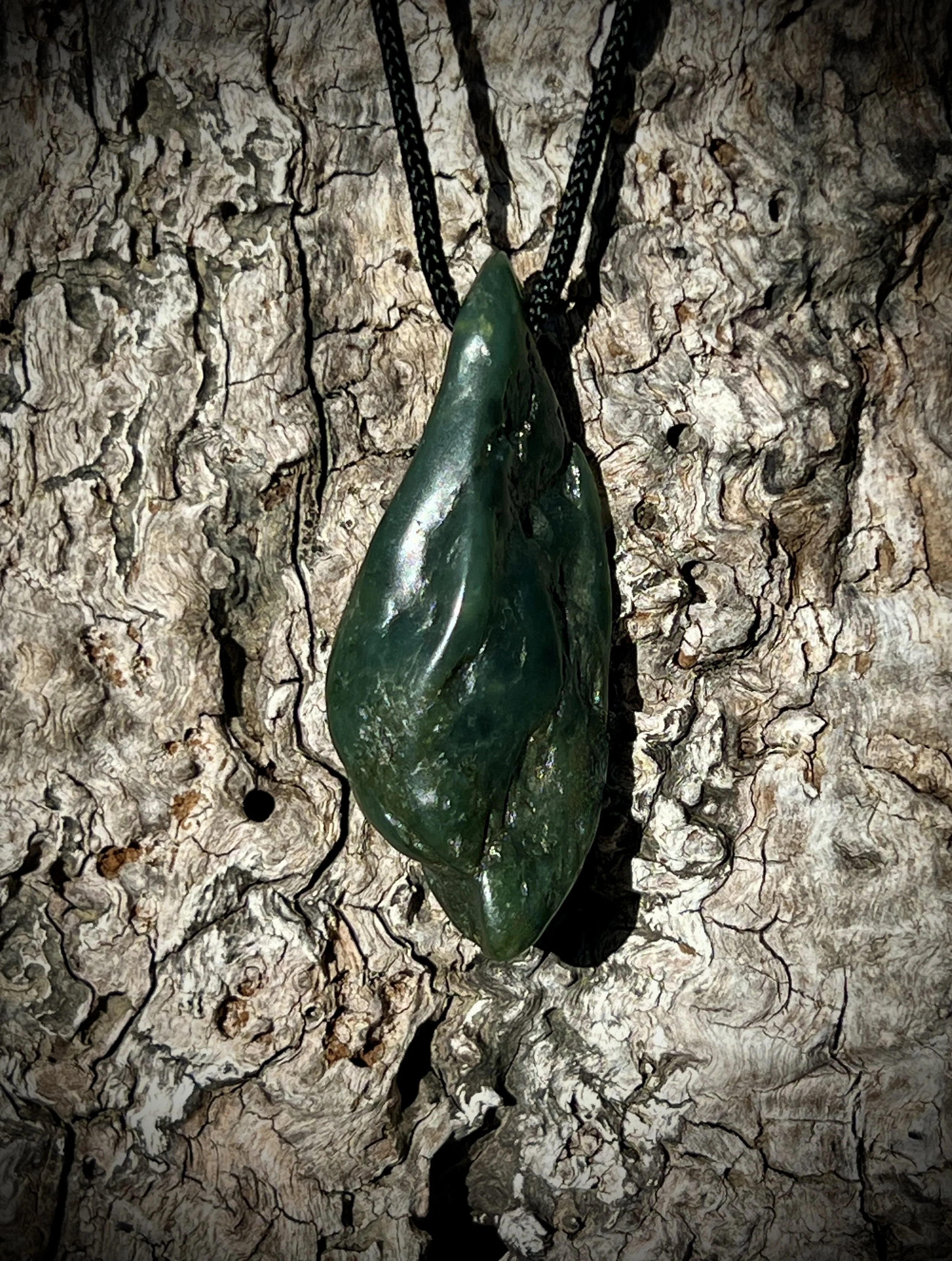 Image 1 of 11
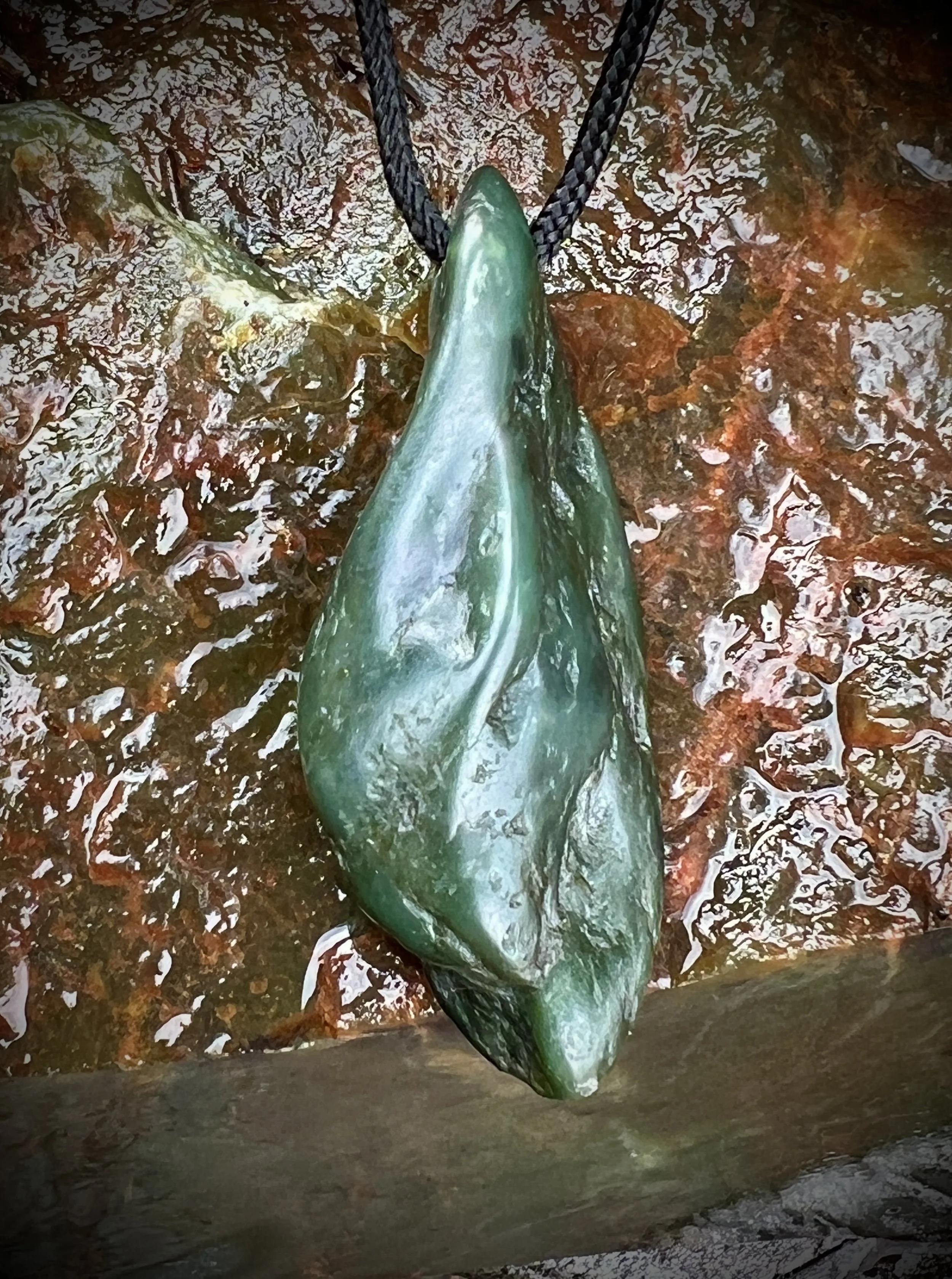 Image 3 of 11
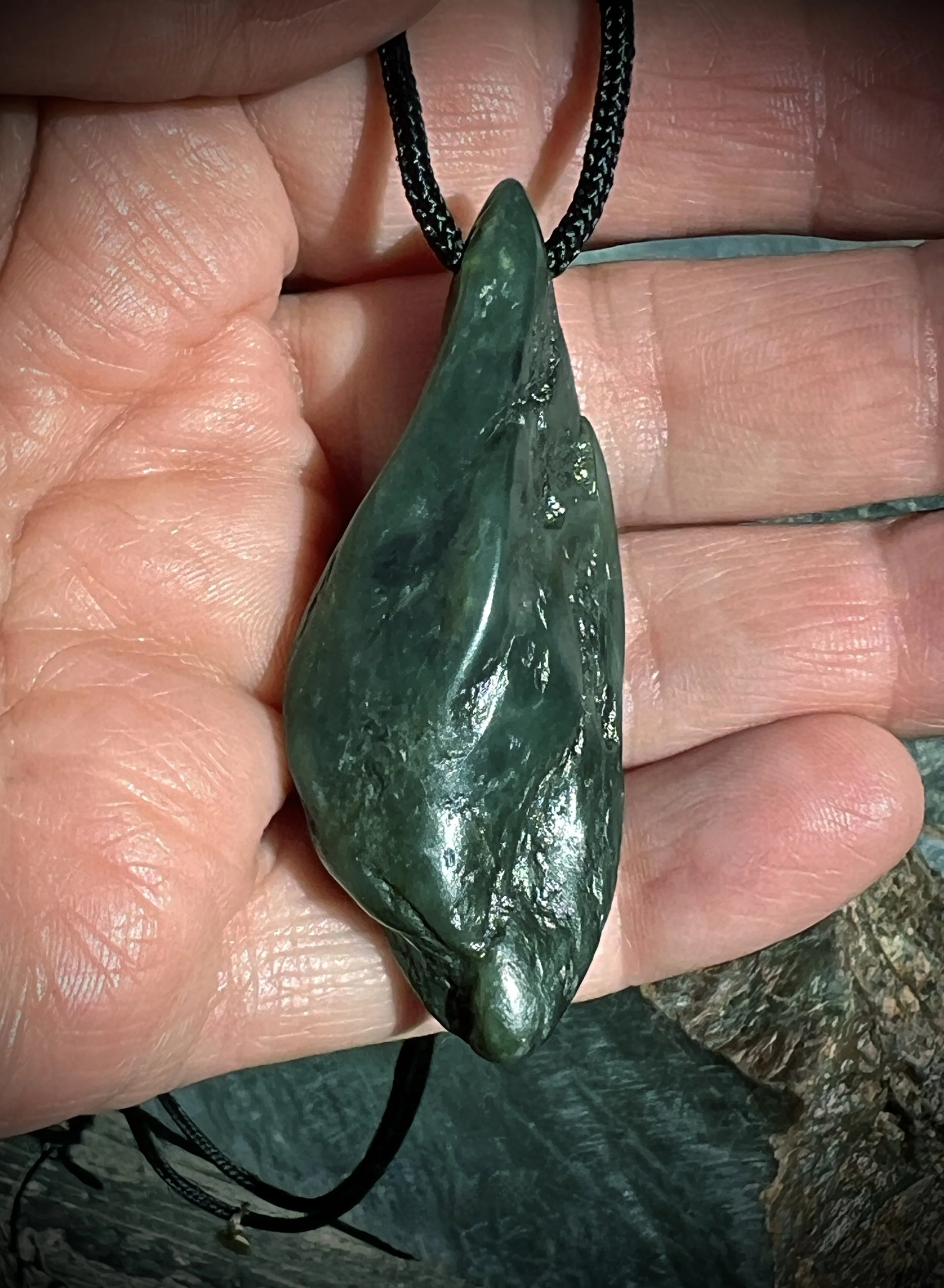 Image 4 of 11
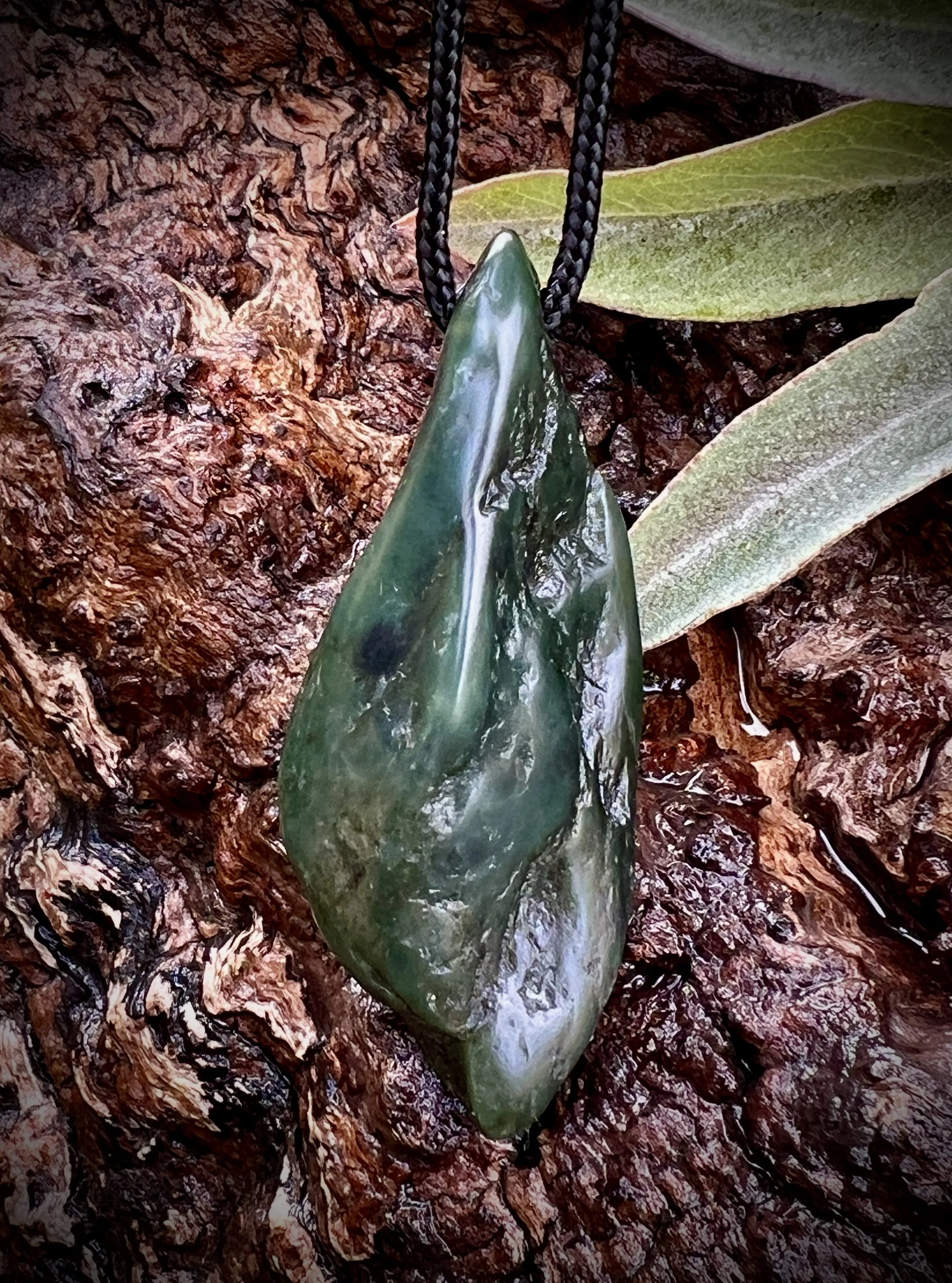 Image 5 of 11
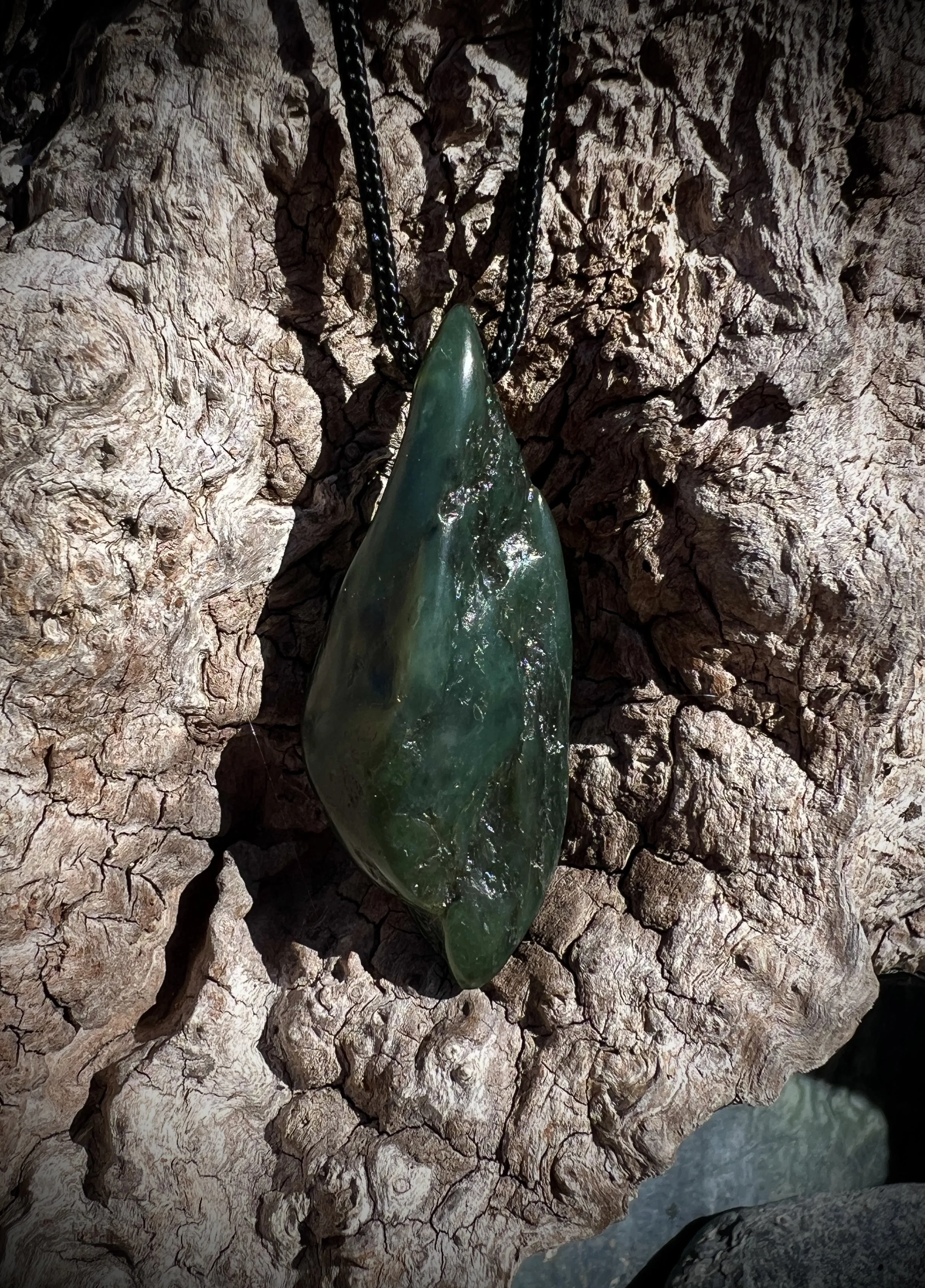 Image 6 of 11
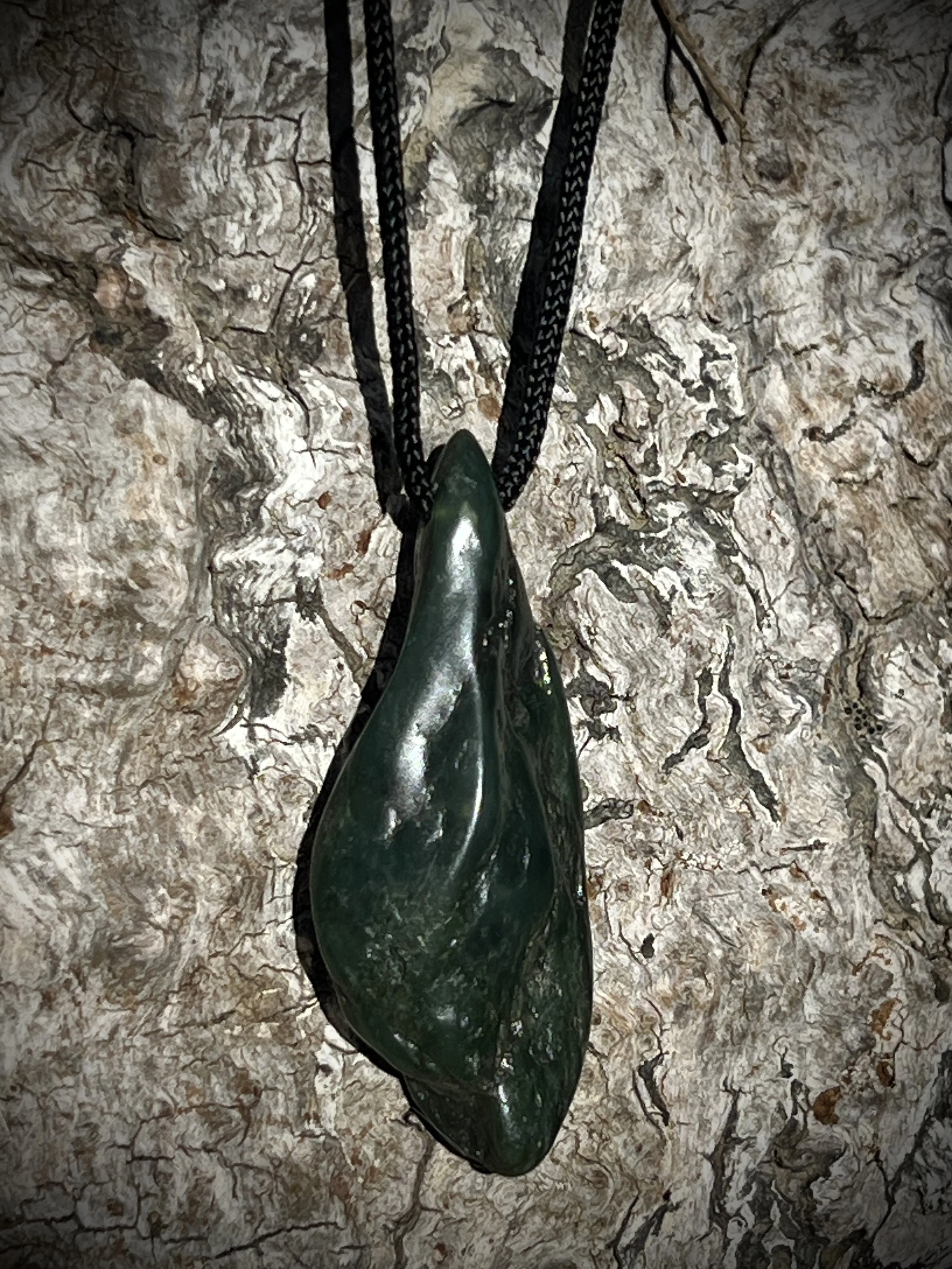 Image 7 of 11
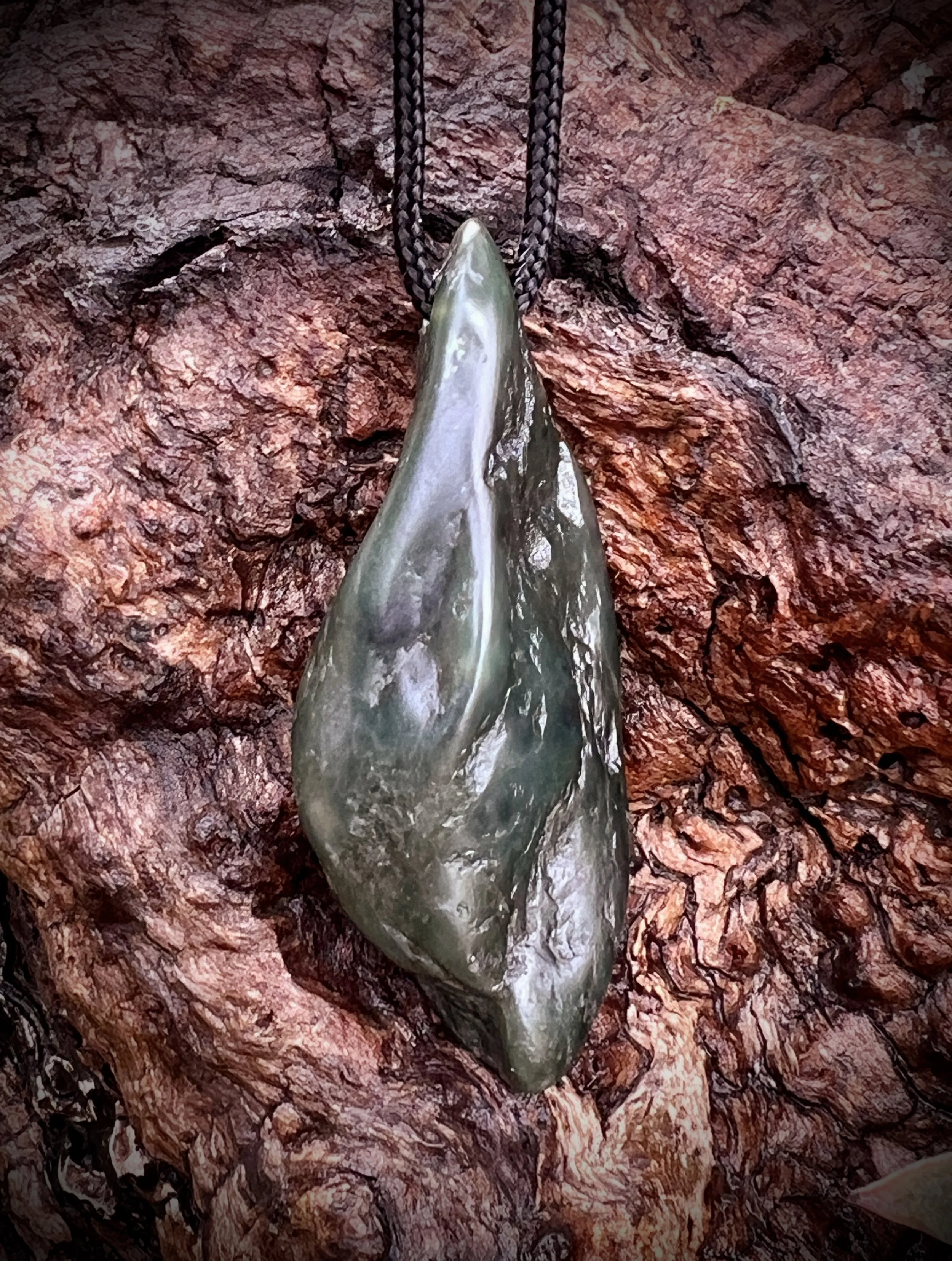 Image 8 of 11
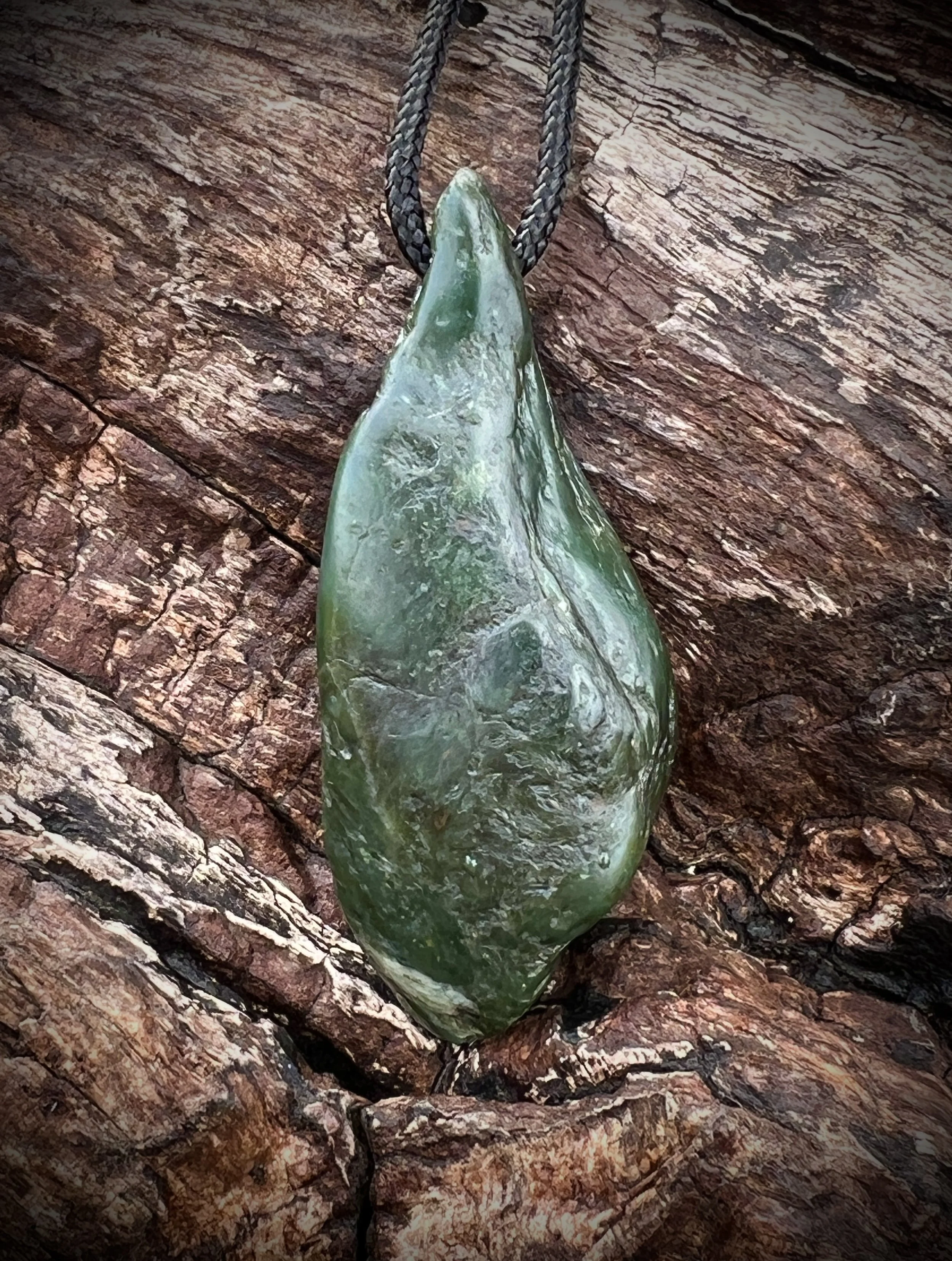 Image 9 of 11
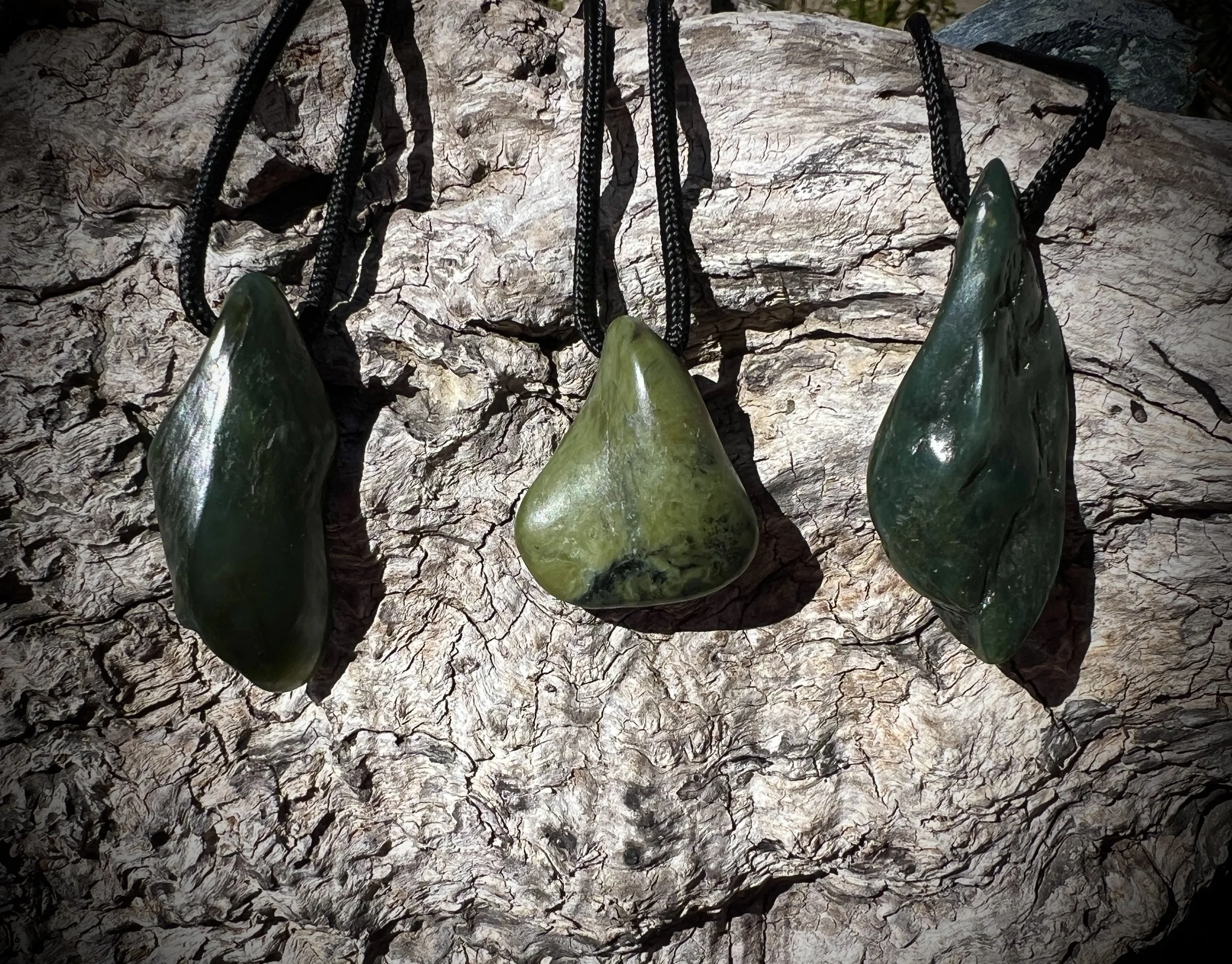 Image 10 of 11
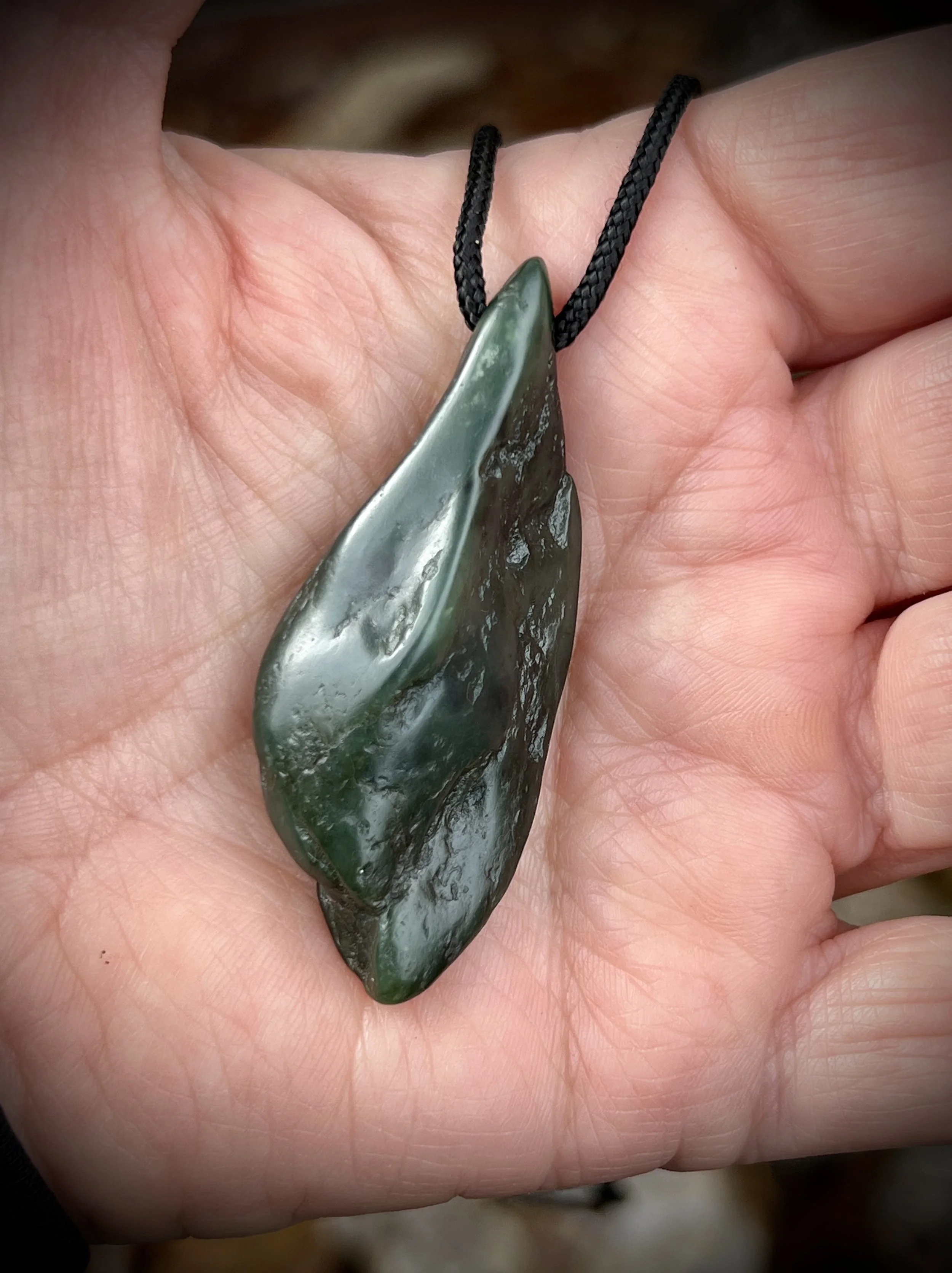 Image 11 of 11